NOTE: Any image on which the cursor changes to a hand
can be enlarged in a new tab simply by clicking it.
Birdwatching/photography was a major reason for travelling to the Prairies, a bucket-list journey, if you will. In Saskatchewan, our main objective was to appreciate whatever Grasslands National Park, near the small village of Val Marie, had to offer. We expected to observe lots of “lifer” species and to get special looks at many others as well as four legged critters. We were not disappointed!
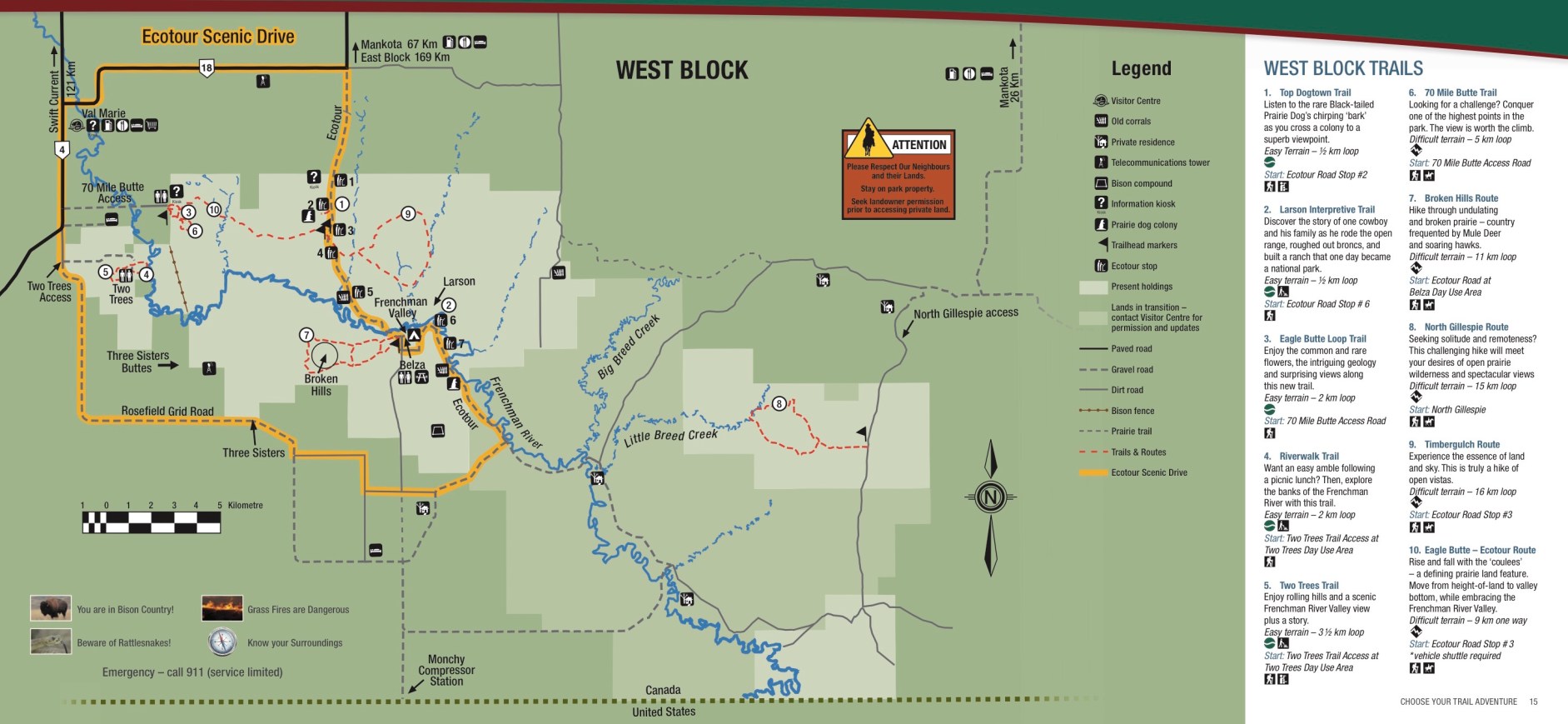
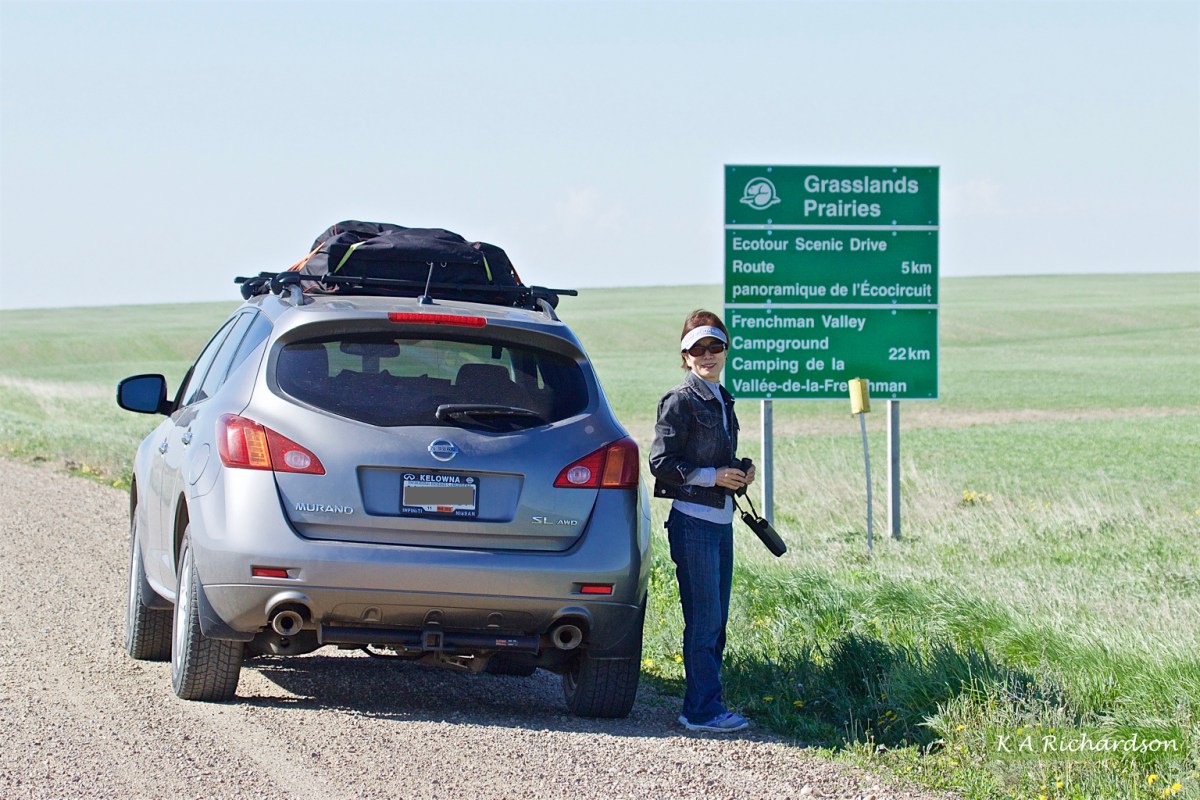
Let’s begin with the four-leggers: Pronghorns (Antilocapra americana) and American bison (Bison bison).


For a discussion of Pronghorns, right click on the image below to view the photo in a new tab and read the description on my Flickr post: It’s worth a look….
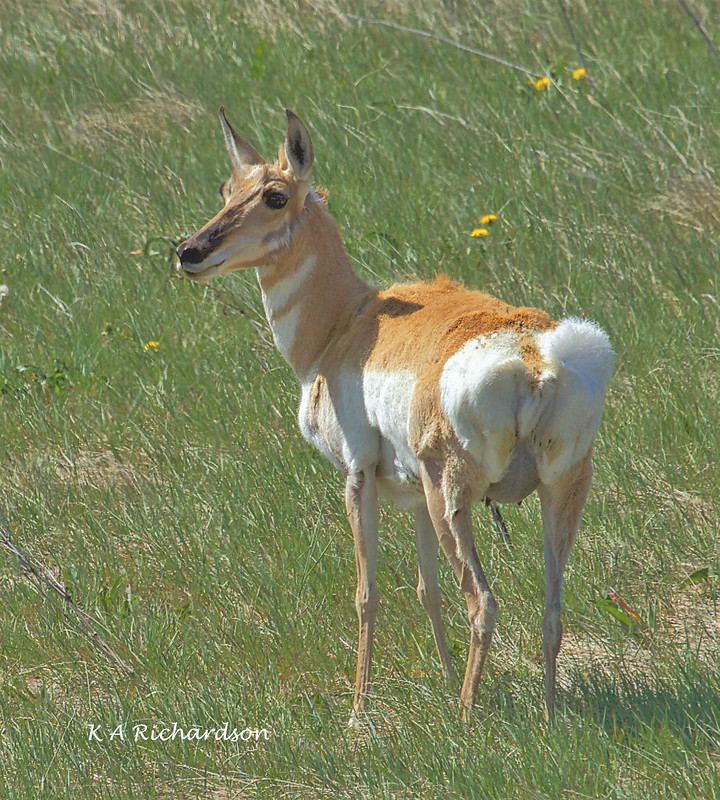
We would revisit Pronghorns, and a buck, in particular, on our return home through southern Alberta.
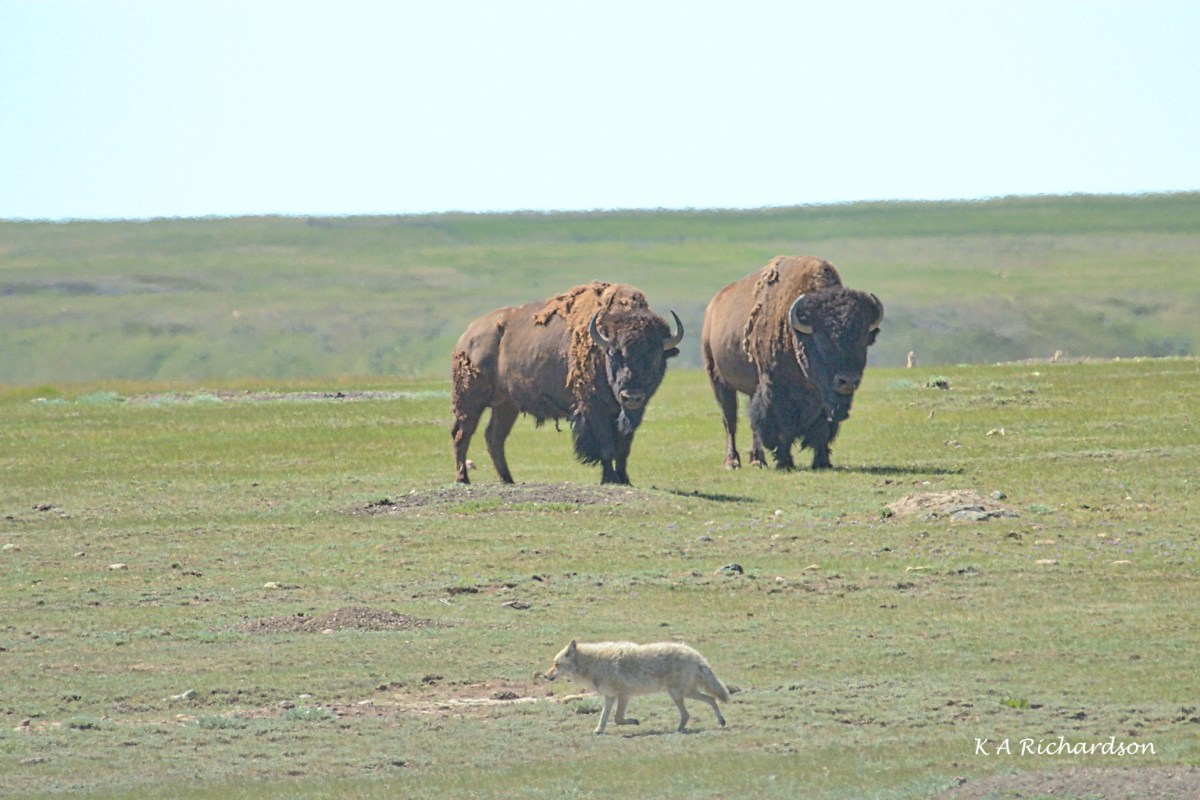
I was very surprised at how difficult it was, under grasslands or prairies light, to photograph bison. No problem getting “pictures” — just good ones!


From: http://www.quillcreek.ca/bisonbehavior.htm
“Wallowing is a common behavior of bison. A bison wallow is a shallow depression in the soil, either wet or dry. Bison roll in these depressions, covering themselves with mud or dust. Possible explanations suggested for wallowing behavior include grooming behavior associated with molting, male-male interaction (typically rutting behavior), social behavior for group cohesion, play behavior, relief from skin irritation due to biting insects, reduction of ectoparasite load (ticks and lice), and thermoregulation.
In the process of wallowing, bison may become infected by the fatal disease anthrax, which may occur naturally in the soil. The bison’s temperament is often unpredictable. They usually appear peaceful, unconcerned, even lazy, yet they may attack anything, often without warning or apparent reason. They can move at speeds of up to 35 mph (56 km/h) and cover long distances at a lumbering gallop.
Their most obvious weapons are the horns borne by both males and females, but their massive heads can be used as battering rams, effectively using the momentum produced by 2,000 pounds (900 kg) moving at 30 mph (50 km/h). The hind legs can also be used to kill or maim with devastating effect. At the time bison ran wild, they were rated second only to the Alaska brown bear as a potential killer, more dangerous than the grizzly bear. In the words of early naturalists, they were a dangerous, savage animal that feared no other animal and in prime condition could best any foe (except for wolves and brown bears). The rutting, or mating, season lasts from June through September, with peak activity in July and August. At this time, the older bulls rejoin the herd, and fights often take place between bulls. The herd exhibits much restlessness during breeding season when the animals are belligerent, unpredictable and most dangerous….”
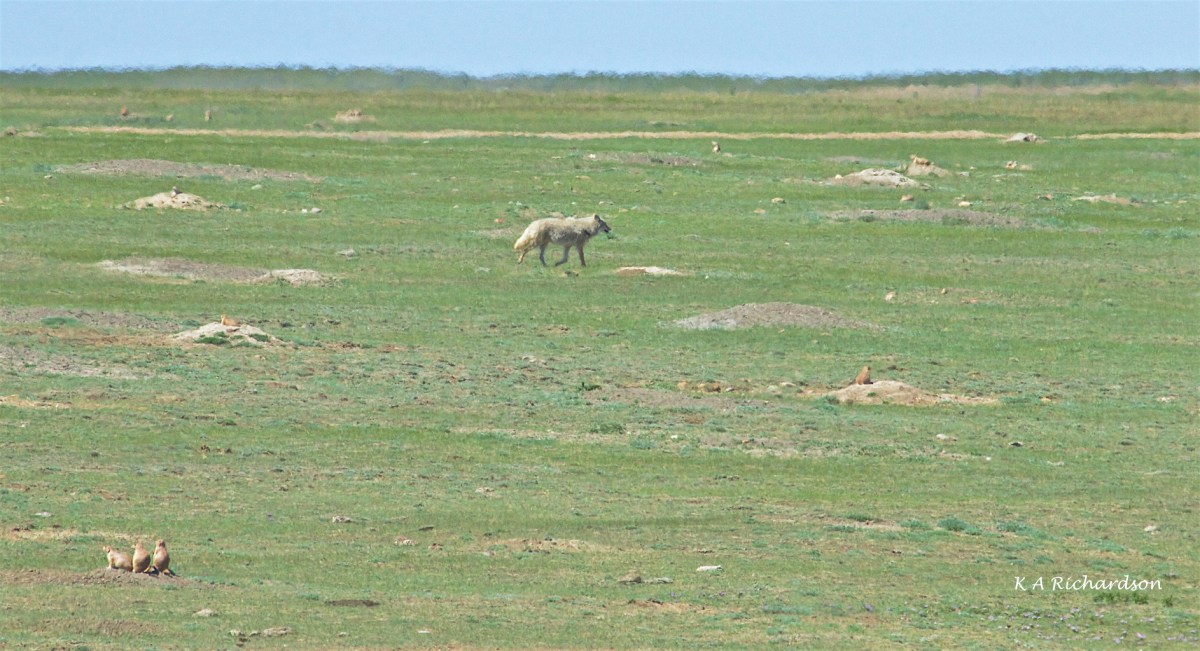
While we were watching, along with denizens of the Black-tailed Prairie Dog (Cynomys ludovicianus) colony, we were treated to an unexpected visit from a Coyote (Canis latrans). Again, although I remember the difficulty of trying to get well defined shots, the thrill of the moment still lingers.


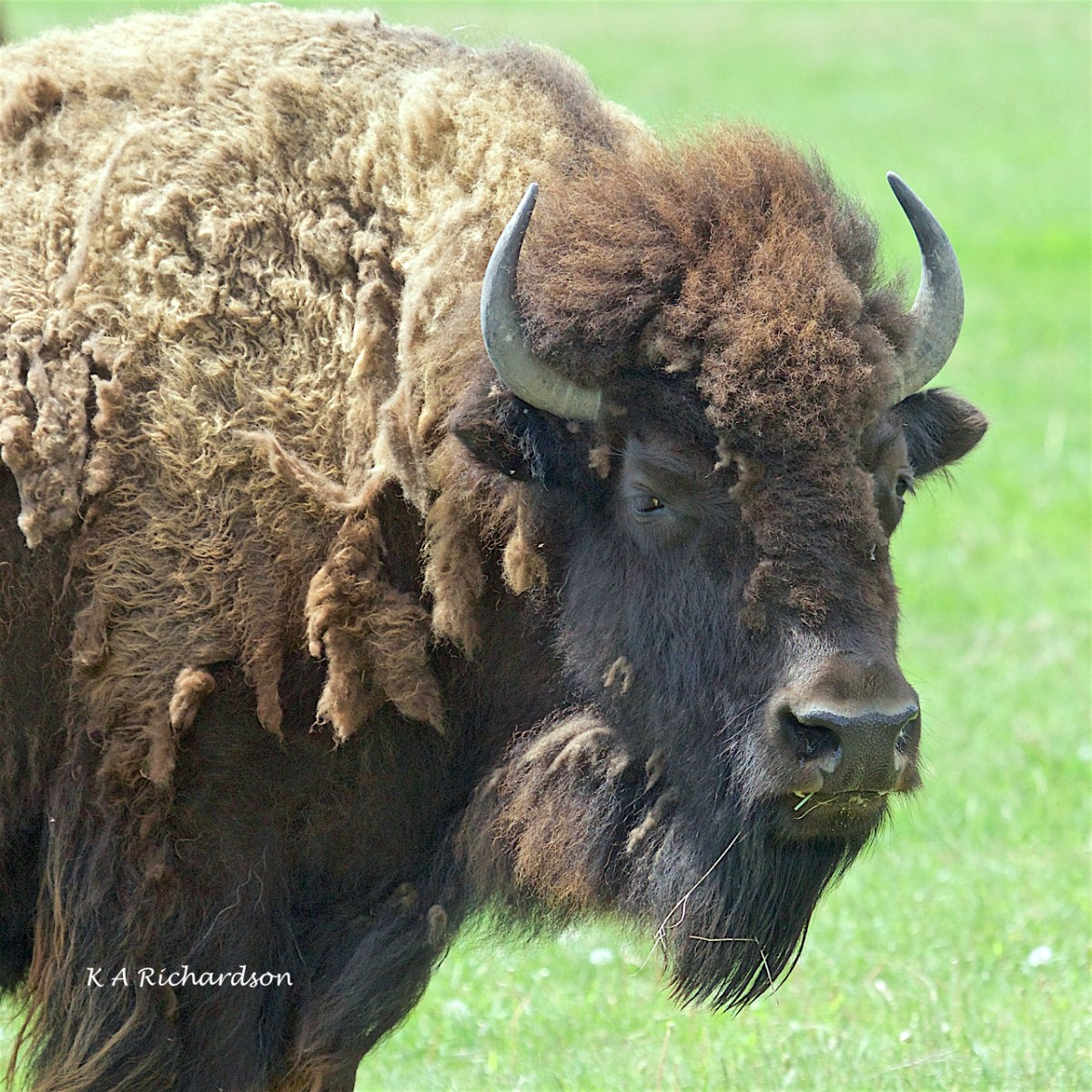
We would see Bison again in Winnipeg, but in a large field, not on an apparently* open range…. (*Actually enclosed by unseen fences. This is a very large park!) And there I got a closeup that I, at least, quite love:
The Black-tailed Prairie Dogs (Cynomys ludovicianus) deserve a lot more space, of course, but for now, a few photos will have to suffice. Perhaps I’ll come back and add more info later. They are fascinating rodents that are being carefully weaned back to prominence as their significance to the grasslands ecosystem becomes more clearly understood and appreciated.

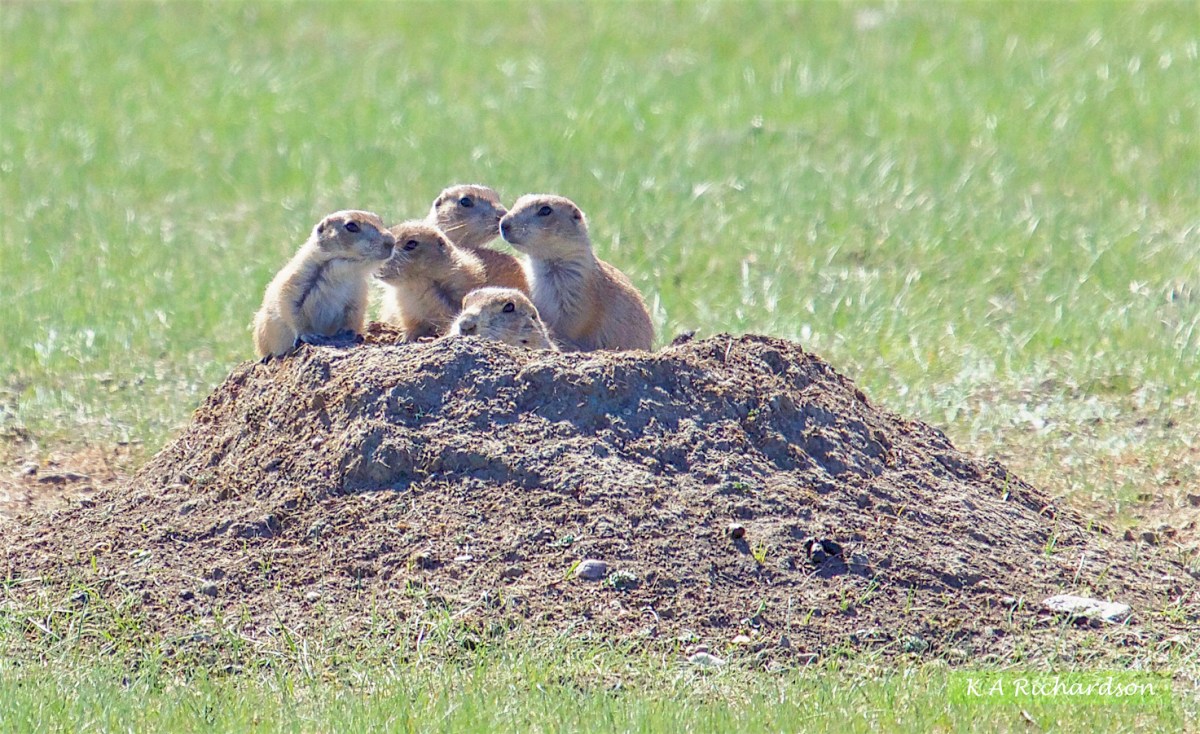

He: “I’m gonna be a dad!” She: “He’s soooo melodramatic!”
Prairie Dogs should not be confused with Richardson’s Ground Squirrel, commonly called Flickertails or gophers which are also found int Grasslands National Park:


Finally, we very few deer on our trip. There was one particularly poignant moment, however, when a deer suddenly sprang up from a ditch. There was something else, too, much smaller that I couldn’t see at first. As the deer bounded away, I tried to stay focused on second critter which eventually turned out to be a very young fawn:
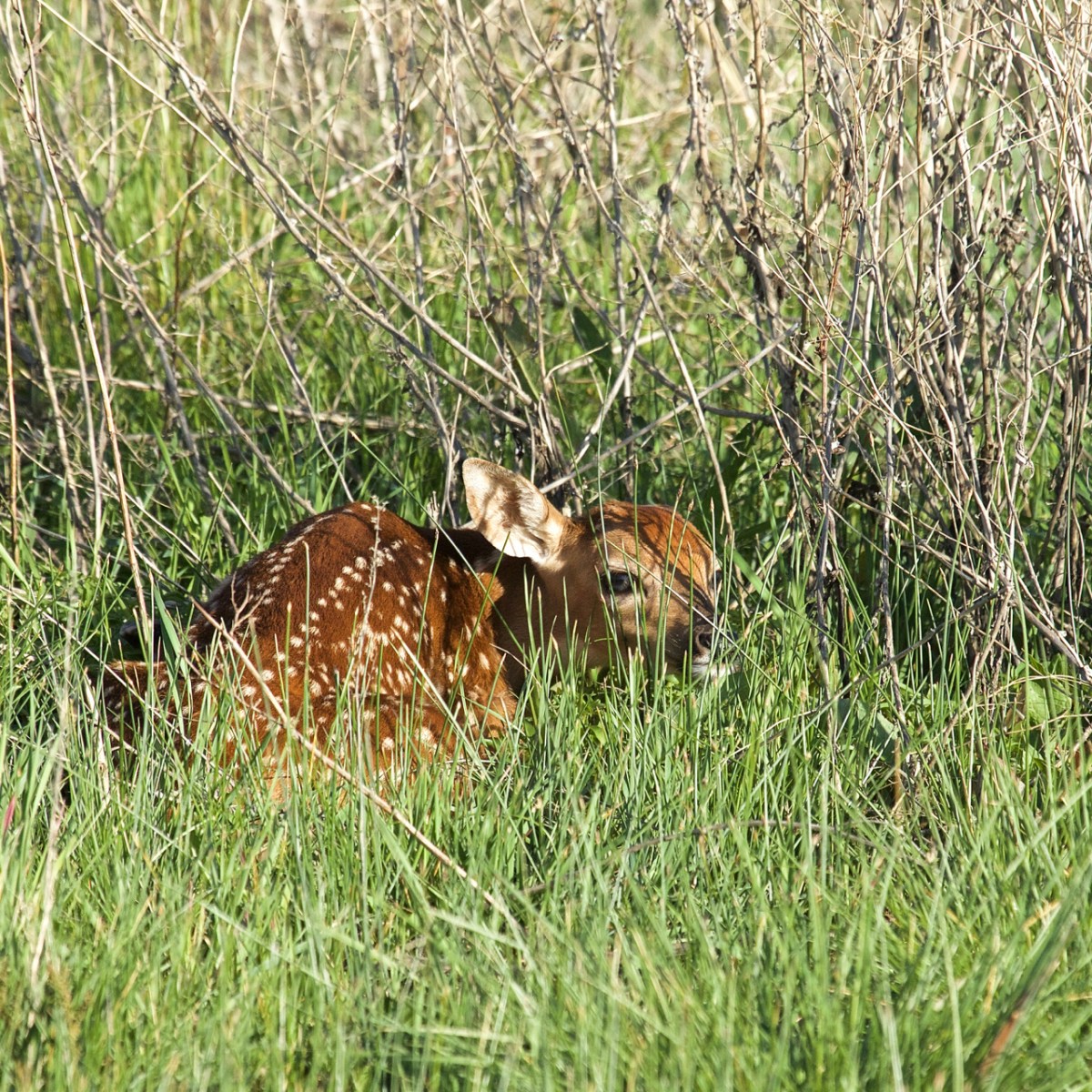
our car where we watched spellbound….
Part 4 features Grasslands birds….














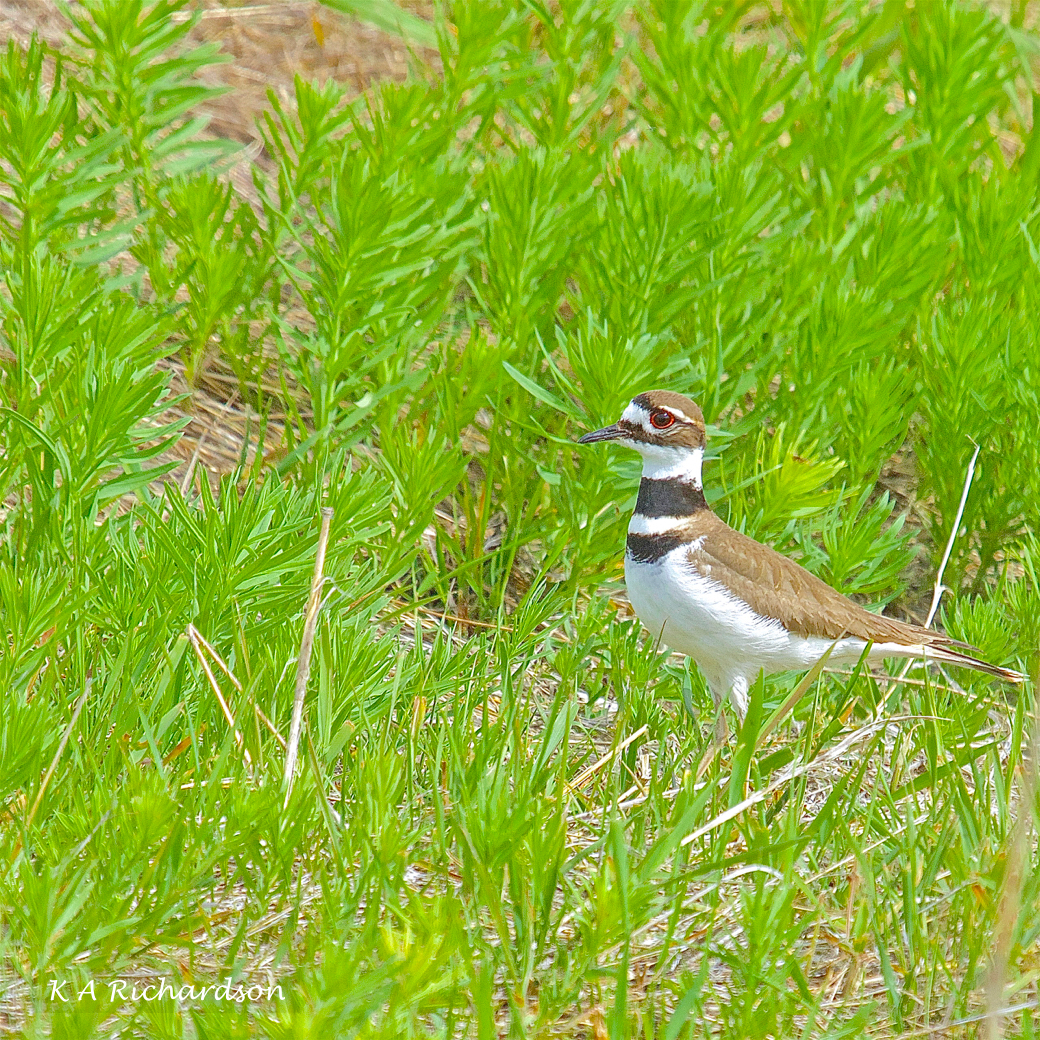


!["Totally mangled! Come have a look [heh, heh]!](https://i0.wp.com/birdsandmusings.ca/wp-content/uploads/2017/07/killdeer-8.jpg?w=543&h=330&ssl=1 "Killdeer")

















 as southern Sun duels
tired North Wind
for Soil's allegiance
we search,
each day,
heavenward
hopefully
impatiently...
as southern Sun duels
tired North Wind
for Soil's allegiance
we search,
each day,
heavenward
hopefully
impatiently...
 more suddenly than bursting buds,
new green,
or arctic blooms,
our winged friends reappear
almost as if
they’d never left...
more suddenly than bursting buds,
new green,
or arctic blooms,
our winged friends reappear
almost as if
they’d never left...
 First, the geese
in majestic undulating wedges
pointing the way —
their unmelodic greetings still
music to
starved ears...
then one
First, the geese
in majestic undulating wedges
pointing the way —
their unmelodic greetings still
music to
starved ears...
then one
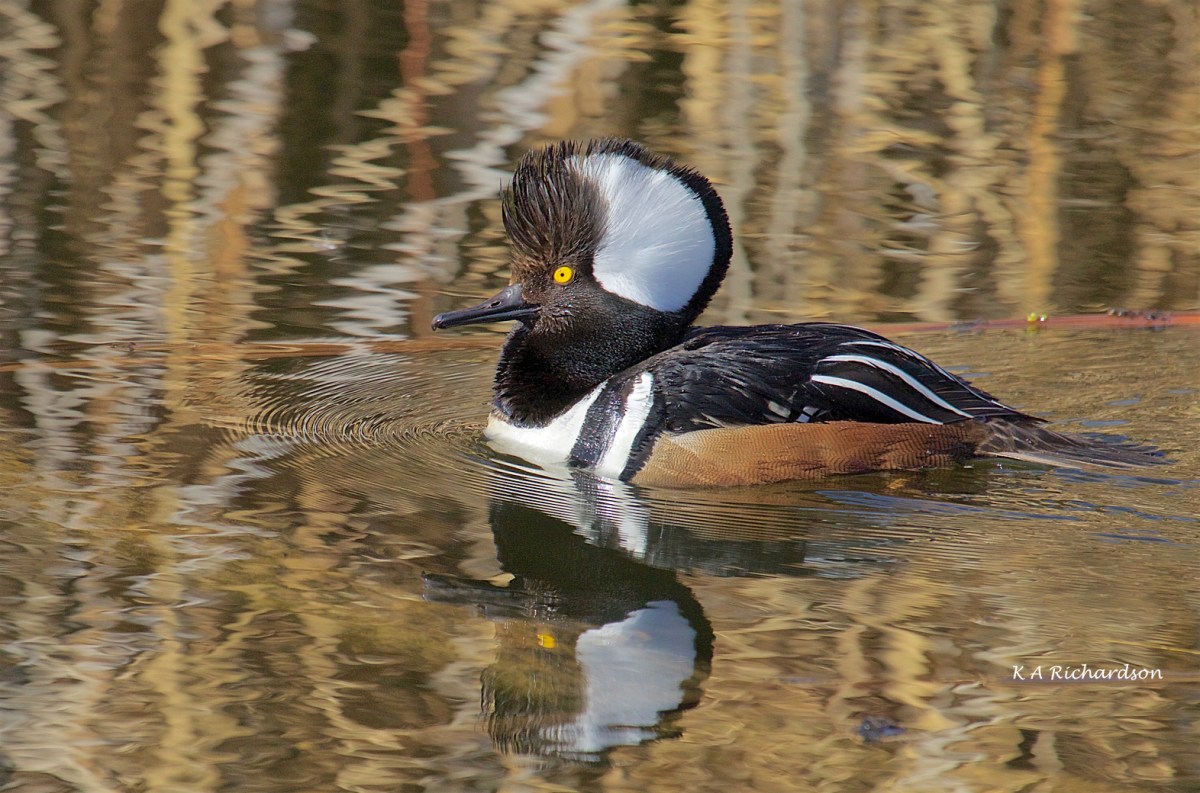
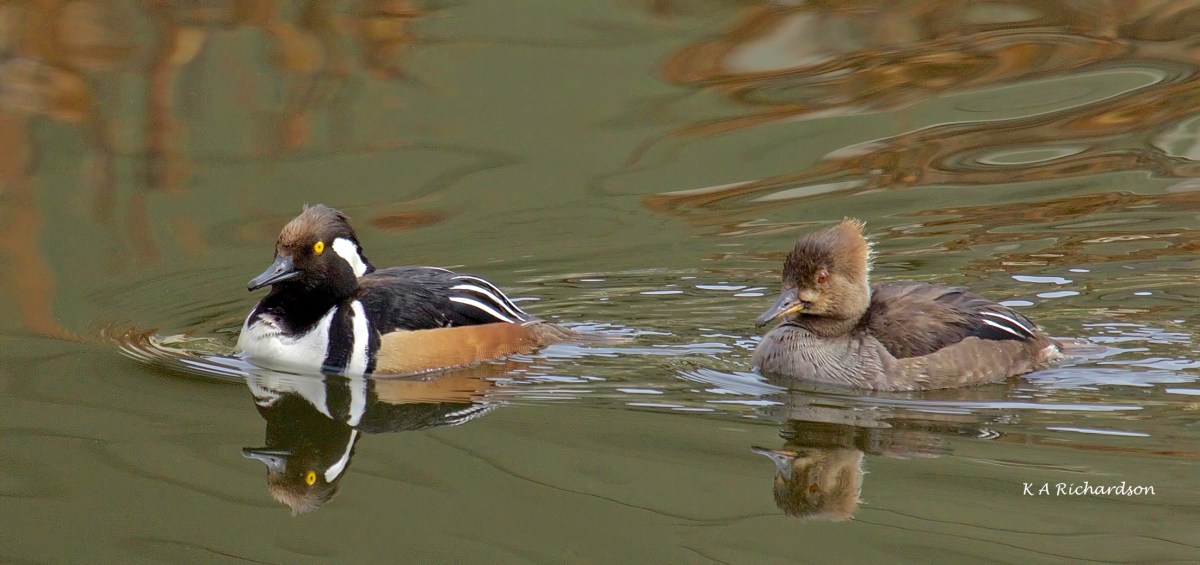
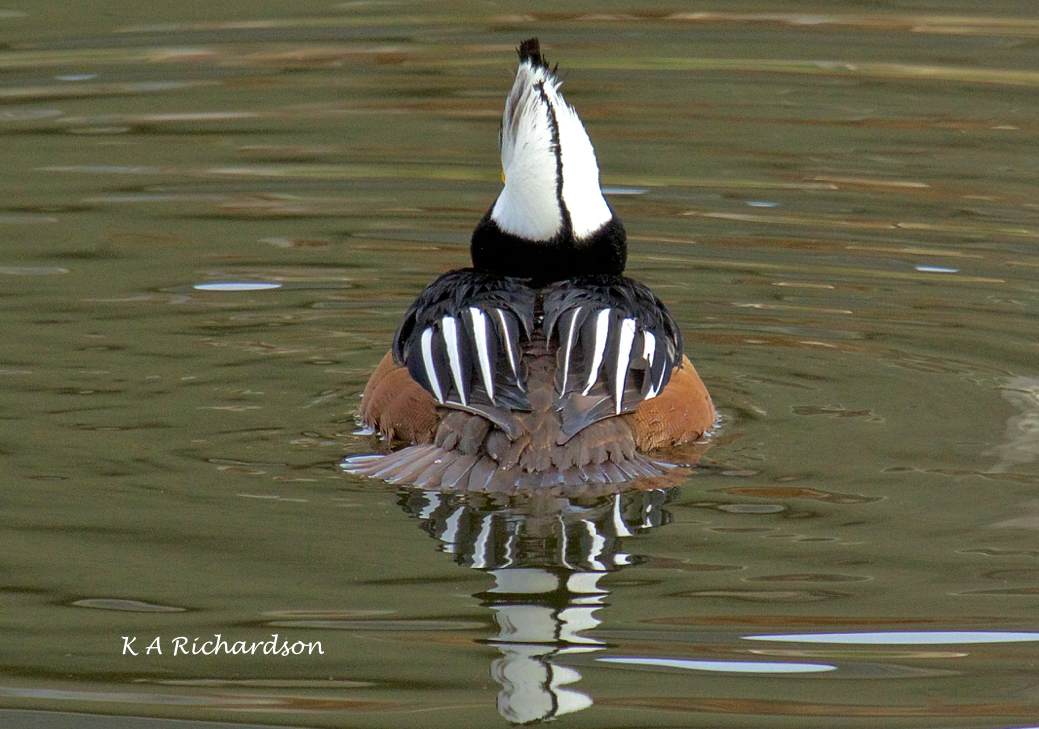
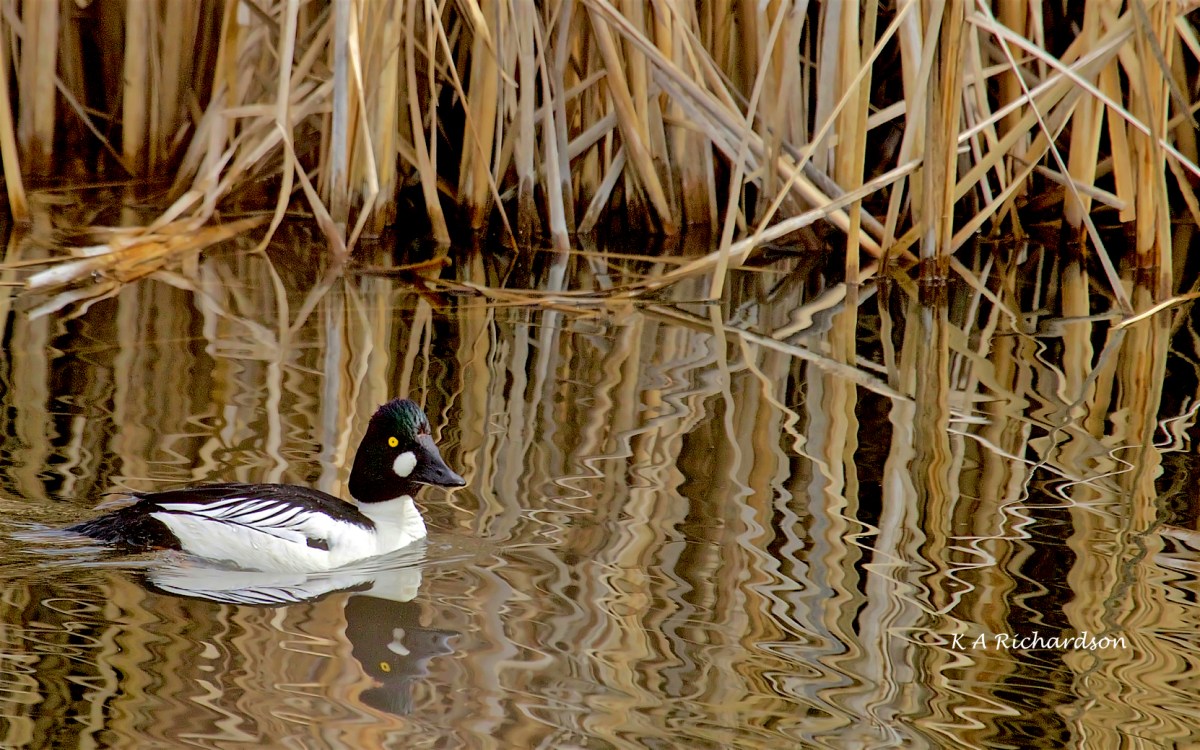
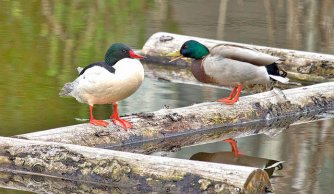 mergansers and mallards darting
in and out of marshes and shores
squabbling for space.
mergansers and mallards darting
in and out of marshes and shores
squabbling for space.


 they jog our memory —
are these the fledglings
last seen camoufrocked
in battle fatigues?
bright plumage now
restored by tropic sunshine
costumed to suit the operettas
rehearsed for eternity
now broadcast on sunbeams
to our winter-weary souls....
they jog our memory —
are these the fledglings
last seen camoufrocked
in battle fatigues?
bright plumage now
restored by tropic sunshine
costumed to suit the operettas
rehearsed for eternity
now broadcast on sunbeams
to our winter-weary souls.... birds & musings