For Navigation Help, click here.
For Part 1 — Mountain Bluebirds, click here.
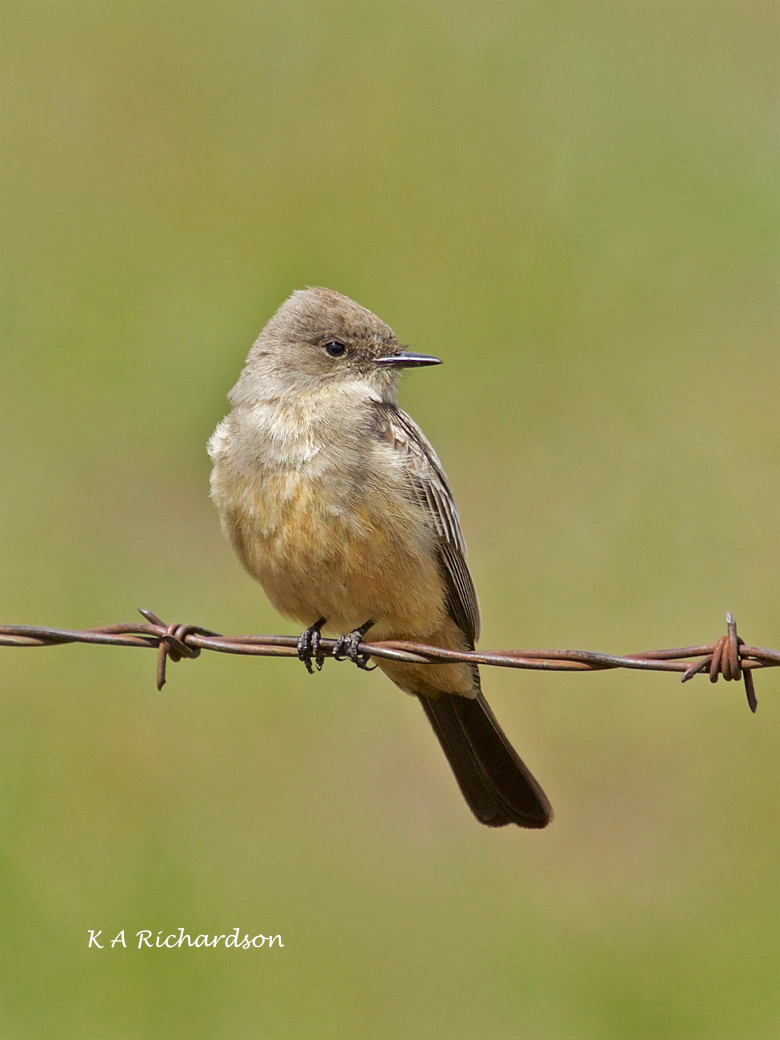
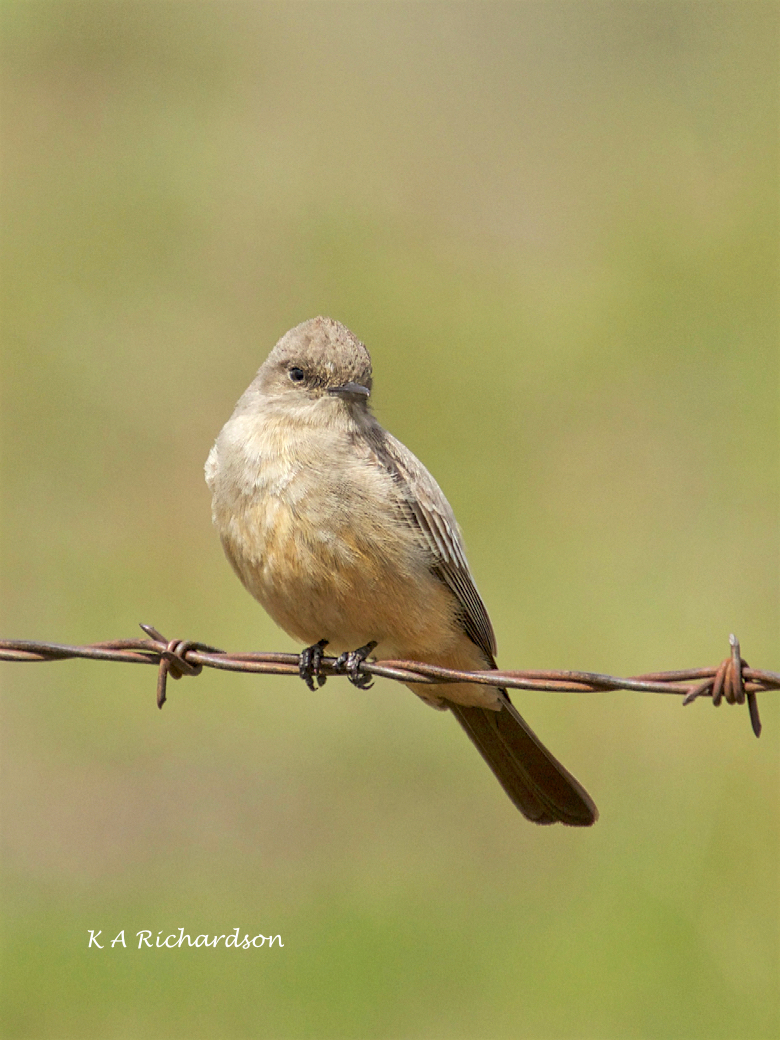
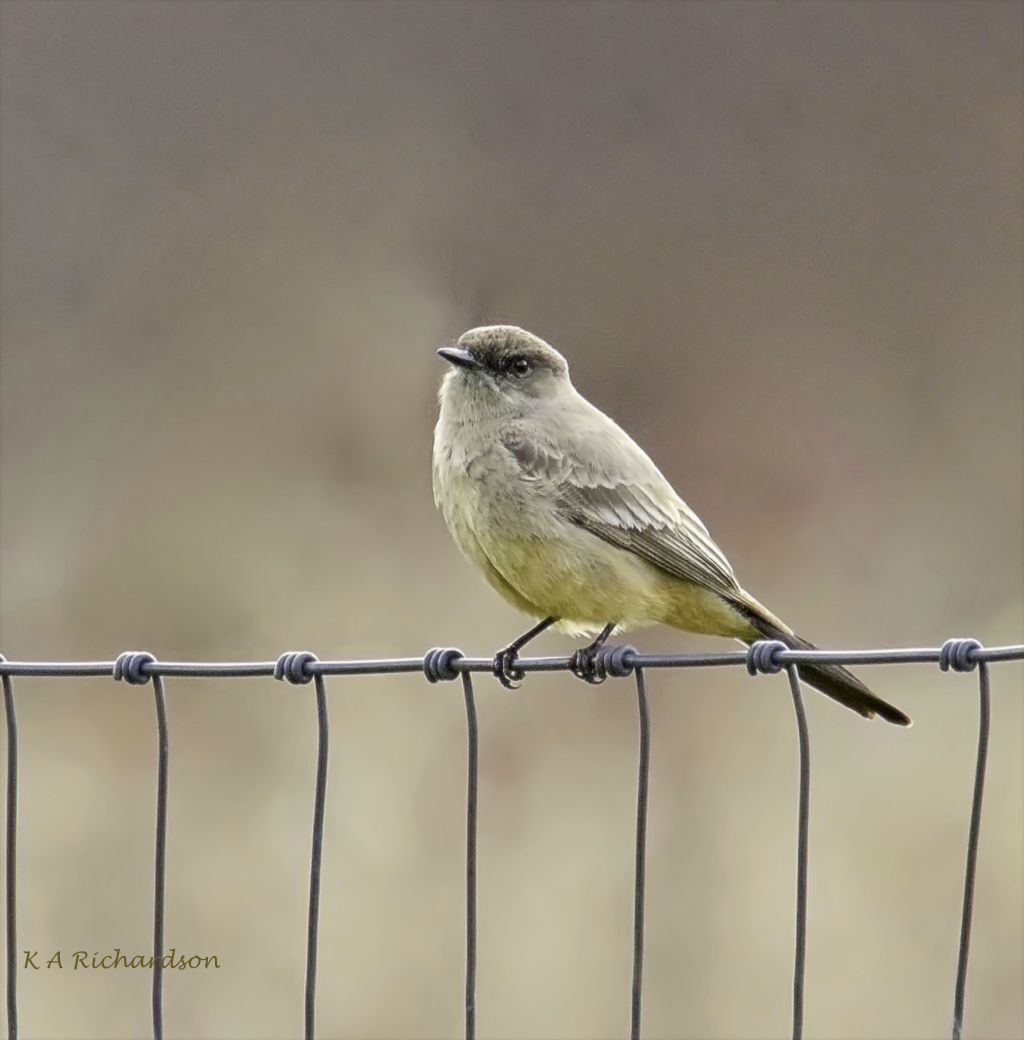
Finally, a bird I’ve been very pleased to see in widespread locations this Spring. I understand they’re even abundant at The Coast this year: the Say’s Phoebe (Sayornis saya). I’ve been fascinated with them for decades, but only starting finding them in the last 7 years or so — always in the Okanagan. The group below could have been put into a cluster, but, as they’re my best shots of this species, so far, I’m giving them full feature treatment!




Thanks to Cornell’s Lab of Ornithology for the maps above and the description below.
“Like other phoebes, the Say’s Phoebe is seemingly undaunted by people and often nests on buildings. These open-country birds have cinnamon-washed underparts and a rather gentle expression. They sally from low perches to snatch insects in midair or pounce on them on the ground. Say’s Phoebes often pump their tails while perched on a wire, fence post, or low bush. They breed farther north than any other flycatcher and are seemingly limited only by the lack of nest sites.” (https://www.allaboutbirds.org/guide/Says_Phoebe/id)
“Cool Facts about Say’s Phoebe (https://www.allaboutbirds.org/guide/Says_Phoebe/lifehistory)
- Charles Bonaparte, a nephew of Napoleon, named the Say’s Phoebe after American naturalist Thomas Say, the first scientist to encounter the bird, at a site near Cañon City, Colorado, in 1819. During the same expedition, Say also collected 10 additional bird species. Despite finding several new bird species in his career, Say is perhaps better known as the “father of American entomology.”
- Say’s Phoebes have been in the U.S. for a long time. Paleontologists discovered Say’s Phoebe fossils in Arizona, California, New Mexico, and Texas dating back to about 400,000 years ago (the late Pleistocene).
- The Say’s Phoebe breeds farther north than any other flycatcher and is seemingly limited only by the lack of nest sites. Its breeding range extends from central Mexico all the way to the arctic tundra. It may be following the Alaska pipeline even farther north, nesting on the pipeline itself.
- When a Say’s Phoebe finds a good nesting site, it often uses the nest year after year. In central Kansas a Say’s Phoebe reused the same nest 5 years in a row.
- Say’s Phoebes will nest just about anywhere: in mailboxes, on machinery, and even in old nests built by other species. Researchers reported them using nests built by Black and Eastern phoebes, Cliff, Bank, and Barn swallows, and American Robins.
- Say’s Phoebes tend to perch on low shrubs or even grasses from which they sally out to grab flying insects. They often wag or pump their tails when perched, although they do this less often than either Eastern or Black phoebes. Their flight is direct, buoyant, and graceful. They form pair bonds early in the spring, although it is unclear if pairs stay together for multiple years. Males escort females around to potential nest sites. He flutters his wings while chattering to the female until she selects a spot to build a nest. One or both phoebes often return to the same territory year after year, sometimes even reusing nests from the previous year, but it’s not clear if it is with the same mate. During the nonbreeding season, phoebes are mostly solitary.”
Again, thanks to Cornell LoO for this info. Please be sure to visit their site, too!








 birds & musings