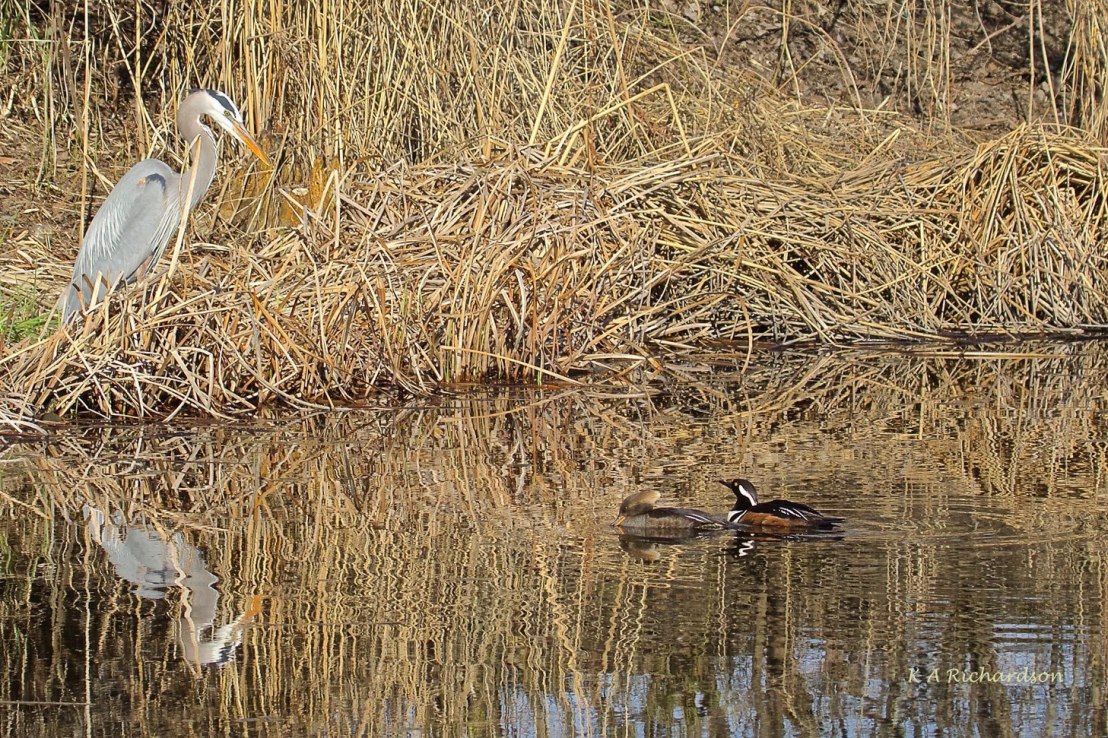
*For teals other than American Green-winged, look under “T.” Similarly, Common Mergansers are found with their Hooded cousins under “M.”
Part 3 looks at some of my favourite water birds shots from 2016 that are not covered in part 2.
We are especially fortunate to have a great selection of species, ducks: both dabbler and diving , as well as two (and on rare occasions three) species of mergansers, and an assortment of others mentioned in the heading….
Late winter, spring and autumn are the prime seasons for ducks here. While there are plenty around in summer, that’s when we focus more on songbirds and Ospreys.
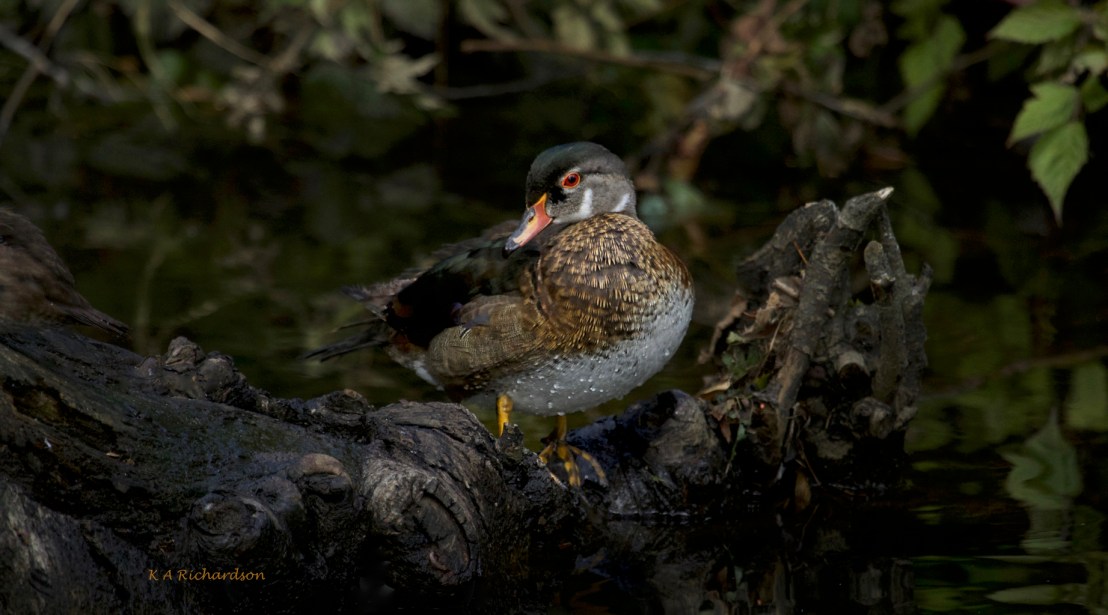
Most of the photos are taken in the Kelowna area, many close to home. Some, however, like the juvie Wood Duck above, were taken in the summer at Piper Spit on Burnaby Lake in the Vancouver area on our trips to pick up and deliver grandkids….

As with other parts of this review of 2016, the presentation will be roughly in alphabetical order. And that means starting with the American Green-winged Teal (Anas crecca carolinensis) . Few of us bother with the “American” designation, but as we occasionally see the Green-winged Teal (aka Common Teal, Anas crecca) more commonly found in Europe and Asia, I’m using the AGTE designation here. At Burnaby Spit, in fall, winter, and spring, AGTEs forage very close to the boardwalk are easily photographed up close. Up here, however, these tiny ducks have to fight for their place in the ecosystem and are generally very difficult to get close to—at least in the places where I see them. During our colder, snowier than usual winter 2016-17, I was able to find them in Thomson Brook and with great stealth to get a few shots, but not unobstructed. Getting shots at a distance is not so difficult, but I’m not able or interested in spending thousands of dollars on high powered lenses to overcome this issue…. More teals near the end of Part 3….
“The waterborne American Coot is one good reminder that not everything that floats is a duck. A close look at a coot—that small head, those scrawny legs—reveals a different kind of bird entirely. Their dark bodies and white faces are common sights in nearly any open water across the continent, and they often mix with ducks. But they’re closer relatives of the gangly Sandhill Crane and the nearly invisible rails than of Mallards or teal….

You’ll find coots eating aquatic plants on almost any body of water. When swimming they look like small ducks (and often dive), but on land they look more chickenlike, walking rather than waddling. An awkward and often clumsy flier, the American Coot requires long running takeoffs to get airborne.” (Cornell Lab of Ornithology)
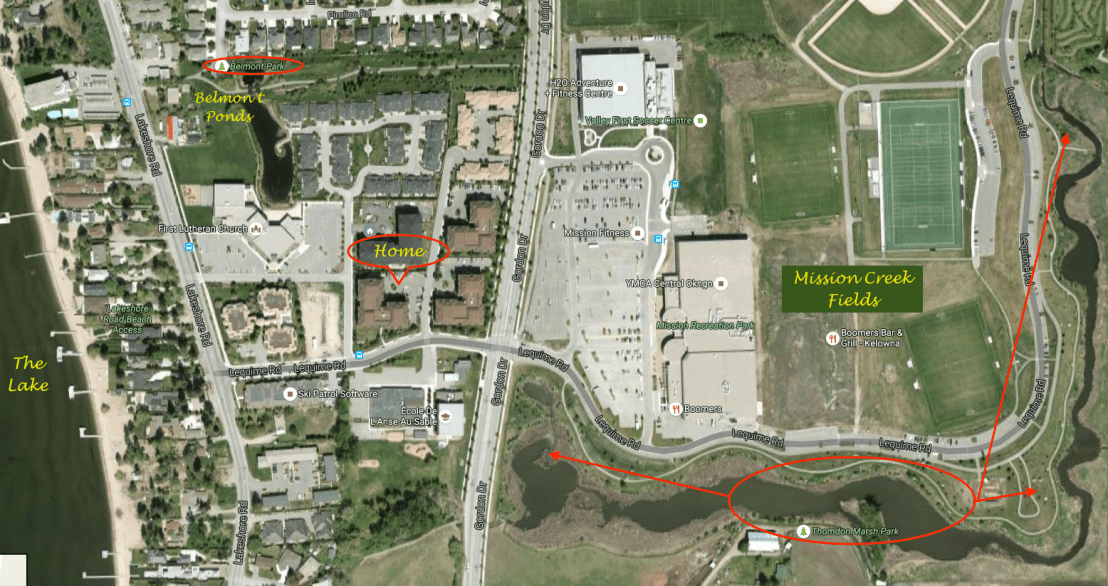
We see rafts of coots in the winter in Okanagan Lake. In spring, however, they move into the brooks and ponds where they raise their young. I have seen them breeding in Belmont Pond, so close to our home, but sadly, the birds moved to a different location to hatch and rear the “cootlings.” (Incidentally there doesn’t seem to be an approved designation for coot chicks; one suggestion I saw—’cootie‘ just isn’t acceptable!! In England, related birds are sometimes called “moorchicks.”) I have photos of the chicks at such a distance they’re not good enough to post. Definitely a challenge for 2017!
Another fascinating “American bird” for me is the American Wigeon. (I used to see their Eurasian cousins in Japan, and EUWI are showing up in increasing numbers in BC these days. Have yet to capture one in the Interior, so will look hard this year.) AMWIs, up here, I thought at first, were very difficult to approach. 2016, however, changed that opinion. Spring in Thomson Marsh seems to be the best time to observe and shoot them (with a camera, of course!) They do stop over in the fall and a few stick around near Okanagan Lake through the winter. In spring, however, they return to marshes and are great fun to watch…. Only the male sports the bald pate and green racing stripe through the eye.


A duck that stands out despite its size is the very active and, in the right light, colourful Bufflehead. I didn’t get a lot of shots of this species in 2016. (Check more recent posts for evidence of my good fortune in 2017.) In the set below, click any photo to enlarge ’em all.


“We may be small, but we’re show stoppers!!”
There are two species of goldeneyes to watch for: the Common Goldeneye and the one below, Barrow’s Goldeneye. While the females of both species are quite similar though fairly easily distinguished if one can get a clear image of their bills, the males are striking different. Of the two, the Barrow’s, a northwestern-corner-of-the-continent duck to begin with, is rarer even out here, and, in my humble opinion, the more attractive duck with his splatter of white stripes and his purplish head with his quarter moon or teardrop white crescent stripe, take your pick.
Incidentally, the Barrow’s in the name honours Sir John Barrow (1764–1848) who, according to Wikipedia was a long time secretary in the British Admiralty, where he”… was a great promoter of Arctic voyages of discovery, including those of John Ross, William Edward Parry, James Clark Ross and John Franklin. The Barrow Strait in the Canadian Arctic as well as Point Barrow and the city of Barrow in Alaska are named after him.” I used to think the duck was named for one of these far north locations, but apparently, we can reach such a conclusion only indirectly (written my best civilservantese).

In my experience, BAGOs prefer wider stretches of water—ponds and lakes—that enable them to stay farther from my camera. Being divers, however, they need to come into the shallows to forage, so they can be stalked sometimes. Take your time, move when they’re really hungry and submerged, but know that once they spot you, there’s a good chance they’ll give up food for privacy. A fellow photographer in Penticton, however, has managed some wonderful closeups of Barrow’s in that town’s wonderful canal. Find the right pond, I guess! I think a Barrow’s side trip (to Penticton, not Barrow’s Strait!) is in the works when I start my south Okanagan region spring birding….


Common Goldeneyes by comparison are truly common. Still, they’re a pretty duck in winter when they visit Mission Creek to forage on the bottom of the stream.


Cornell agrees: “The male Common Goldeneye adds a bright note to winter days with its radiant amber eye, glistening green-black head, and crisp black-and-white body and wings. The female has a chocolate brown head with the same bright eye that gives this species its name. These distinctively shaped, large-headed ducks dive for their food, eating mostly aquatic invertebrates and fish. They nest in tree cavities in the boreal forest of Canada and Alaska; look for them on large rivers, lakes, and Atlantic, Pacific, and Gulf coasts in winter….
Females are best distinguished by head and bill shape (above); also, female Barrow’s usually have more yellow on the bill than female Common.”

In our very cold December 2016, Mission Creek froze over in the lower reaches, but fortunately some stretches of mid-stream, ironically, stayed open.COGOs were able to forage, but their numbers were much reduced from the past two winters.

in the very mild 2015-16 winter, I was very much surprised to discover a solitary female COGO in the mix of ducks that wintered in Thomson Marsh sometime in mid February. Later that month, this same duck, I believe, moved over to Belmont Pond where she waited patiently, it seemed, for two weeks. Because she was a bit of an explorer, an individualist, I named her Dora. Eventually, she was joined by a single COGO drake that I christened Melvin. They stayed in Belmont Pond for about three days with an assortment of other species I had not seen here the year before, then by mid-March, they were gone, and I never saw them again.


For Gadwalls, Hooded and Common Merganser, Common Loons, and Mallards, check Part 4….

 After reciting his familiar and false dystopian vision of a destitute America, DJT then promised his supporters massive improvements in their lives and spoke as if those benefits would begin immediately. He promised a more militant America. He assured the “forgotten men and women” of America, that “This American carnage stops right here and stops right now.” Like a Costco huckster selling a gallon of stove cleaner with magic ingredients, he offers an oversupply of “cure” to a problem that can be solved with cleaners we already own—and a little elbow grease. People working together. But his view of “the people” is clogged by his insistence that “those people” who support anyone else but him are the problem. There’s no compassion in his words, no recognition that many of the people he claims are struggling did not vote for him in November, no attempt to reach out to them and start healing the divide. Be sure to check again tomorrow, next week, month, or year to see just how many benefits have been realized and by whom!




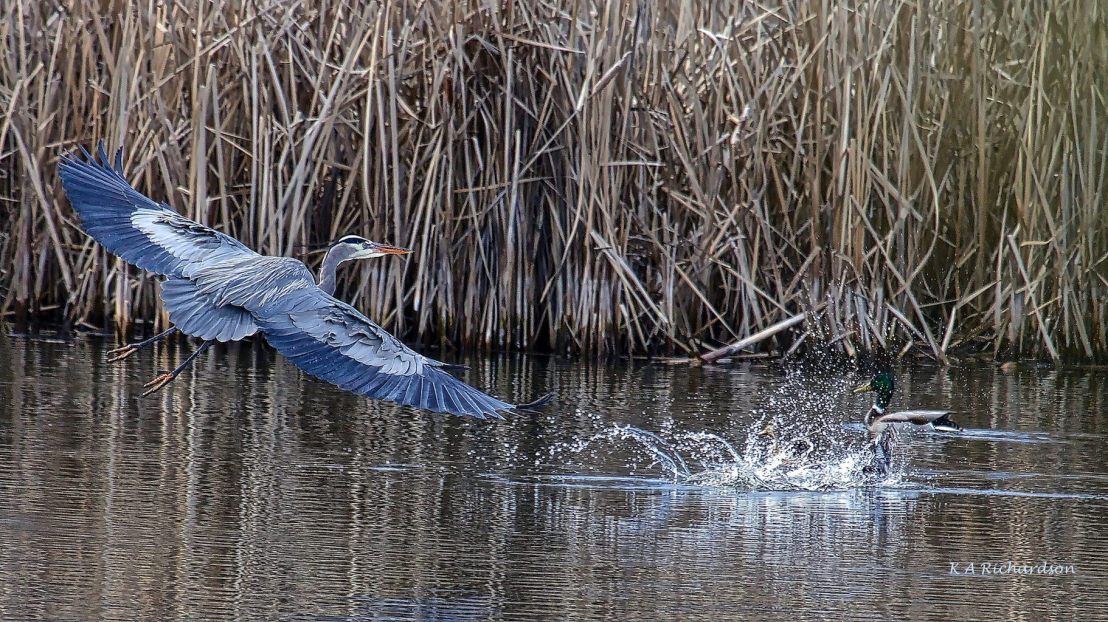

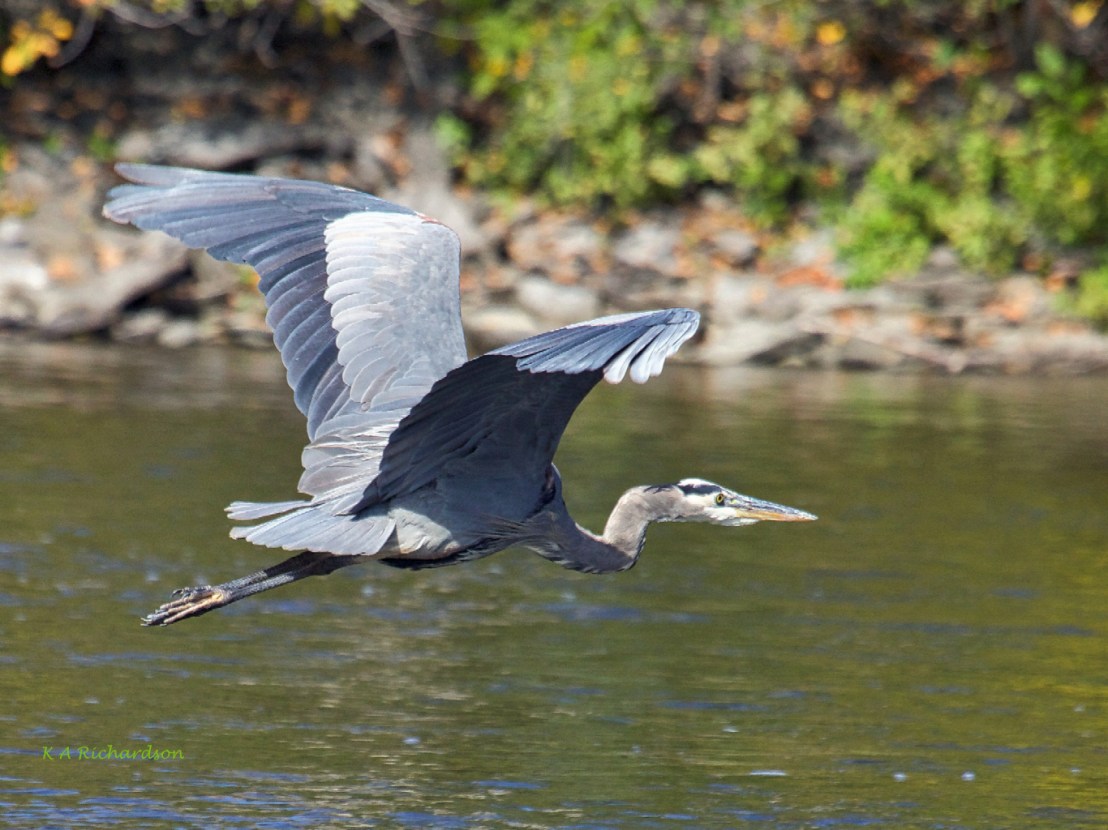










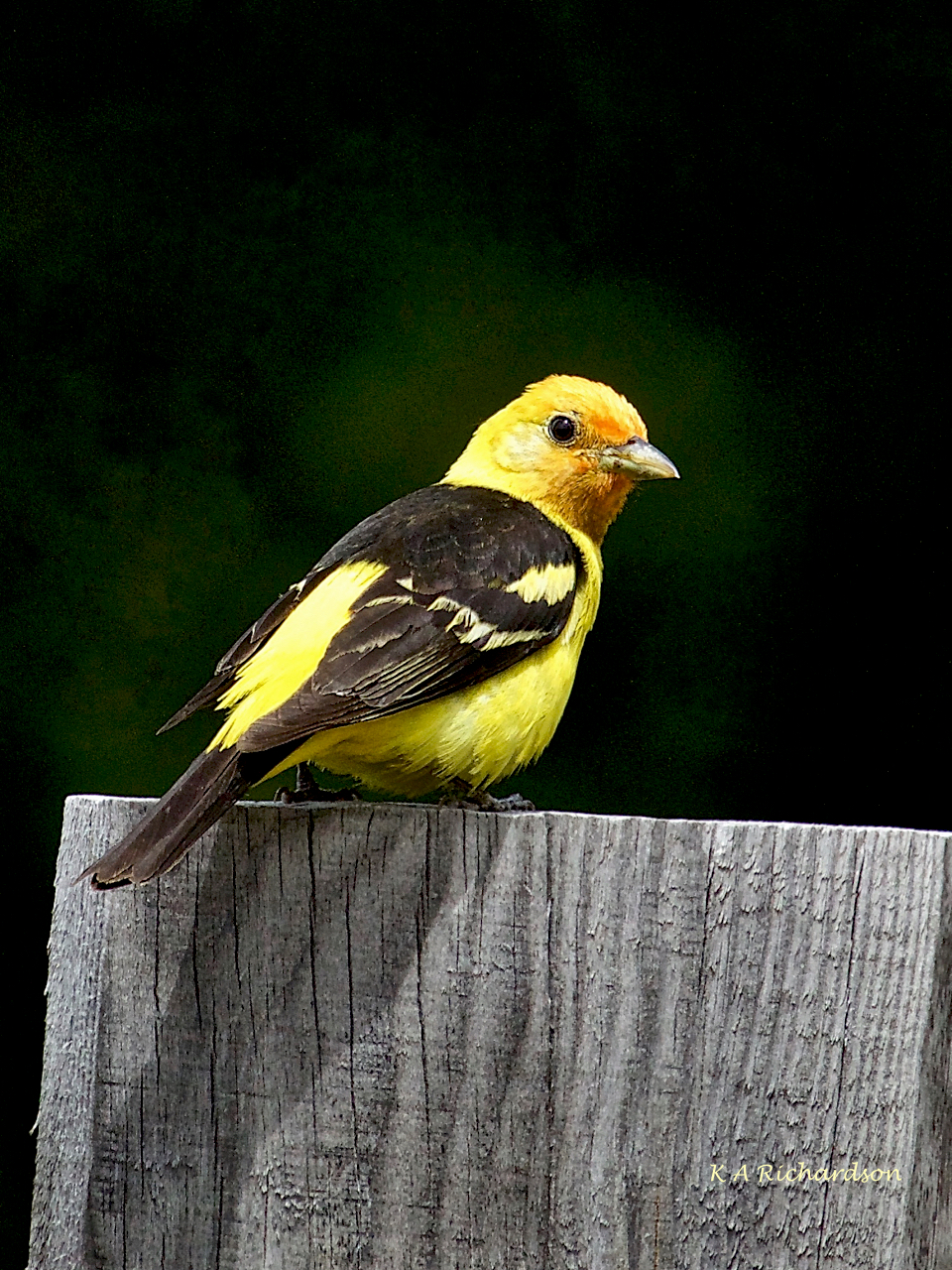


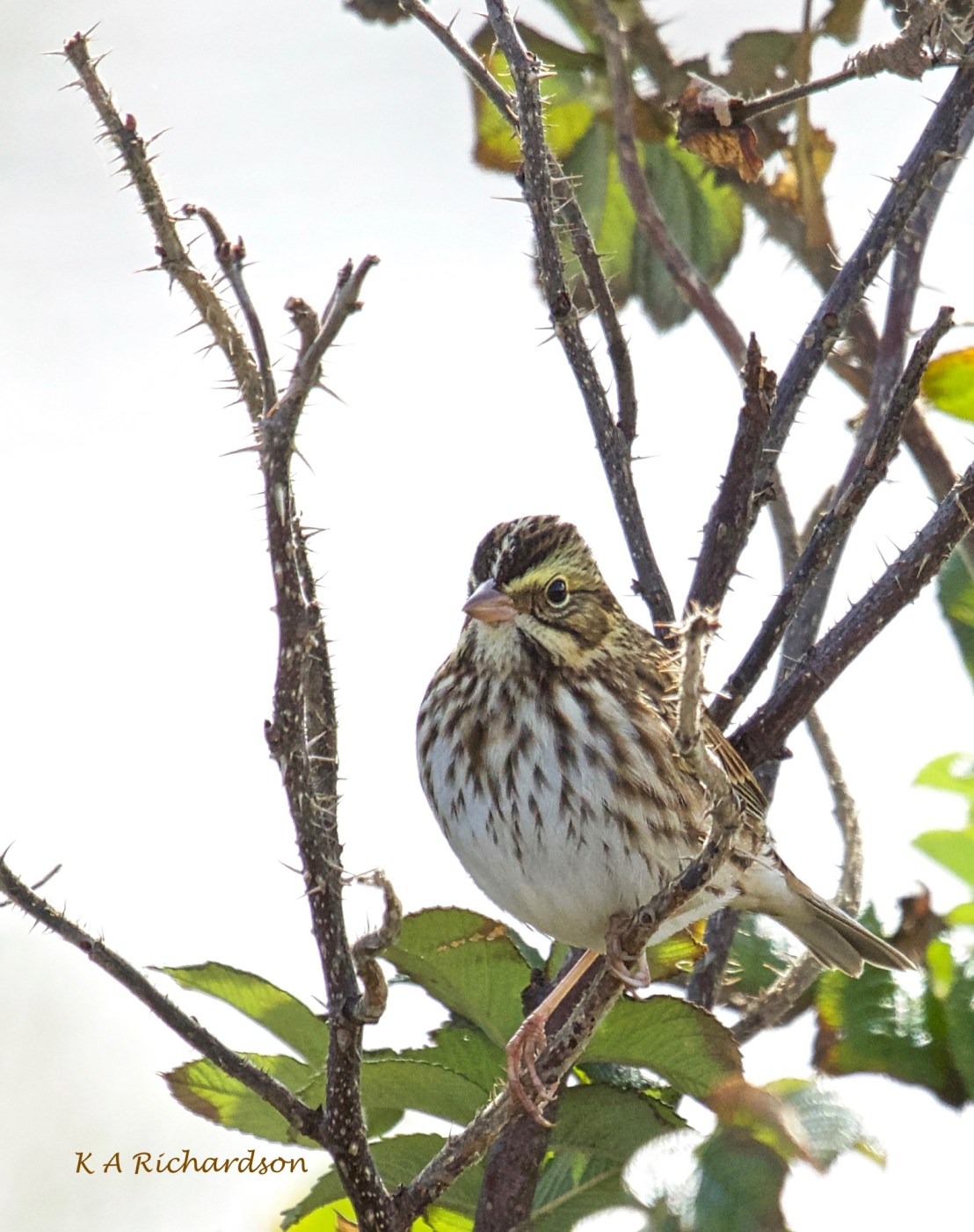
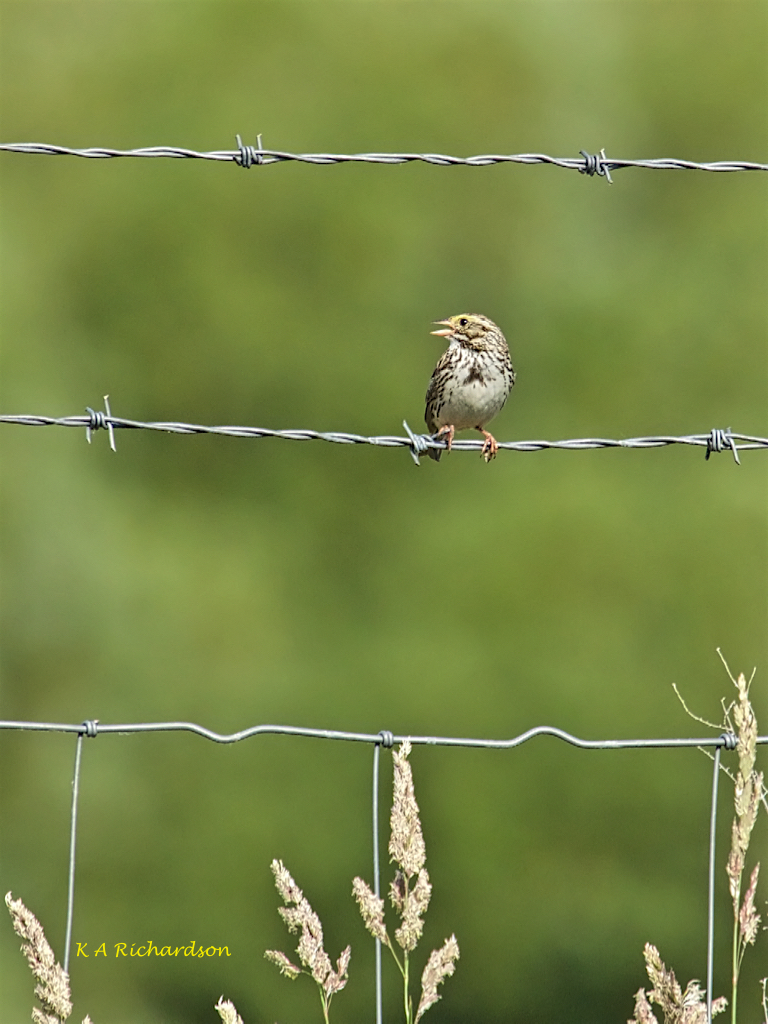
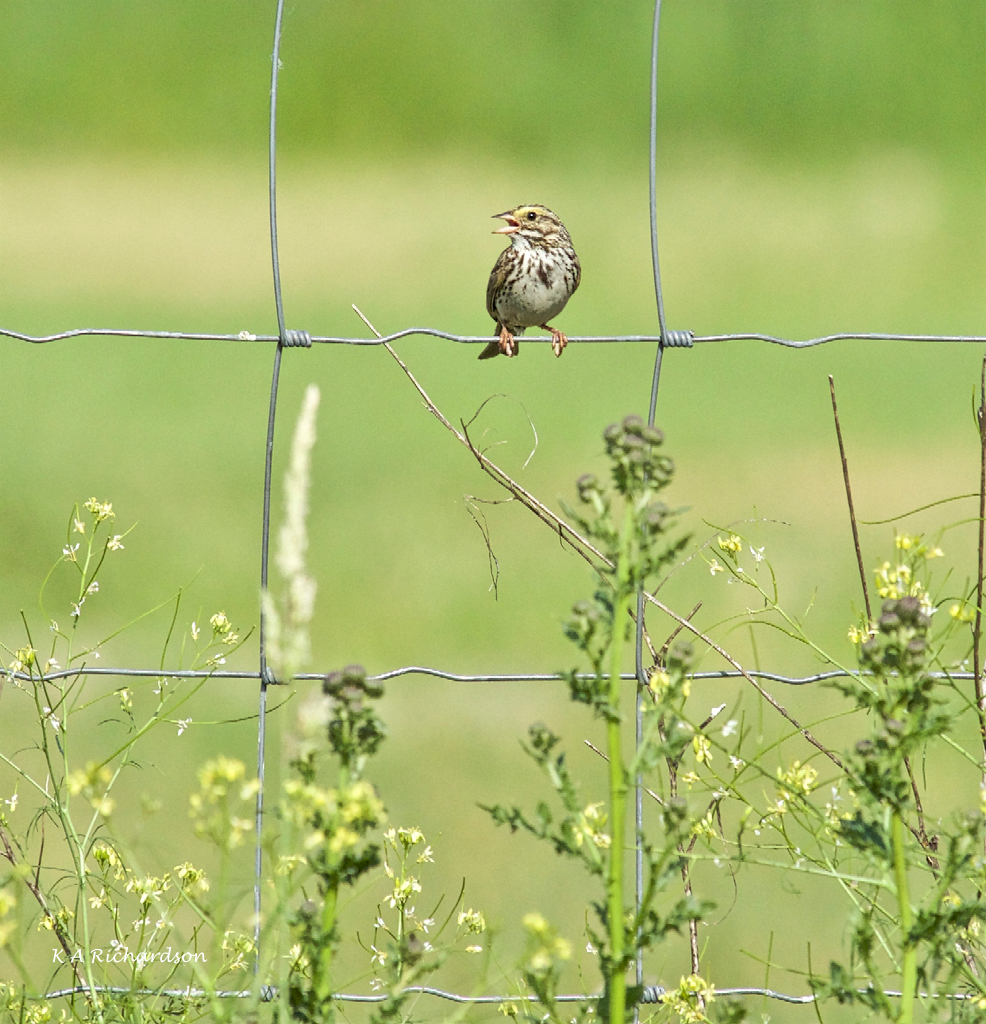




 Although it’s spread across the continent, many folks have never seen one, and this




 birds & musings